The Tokyo Reaction Tester Record Is Still Unbeaten! Will You Take the Challenge?

Reaction Tester Record Is Still Unbeaten

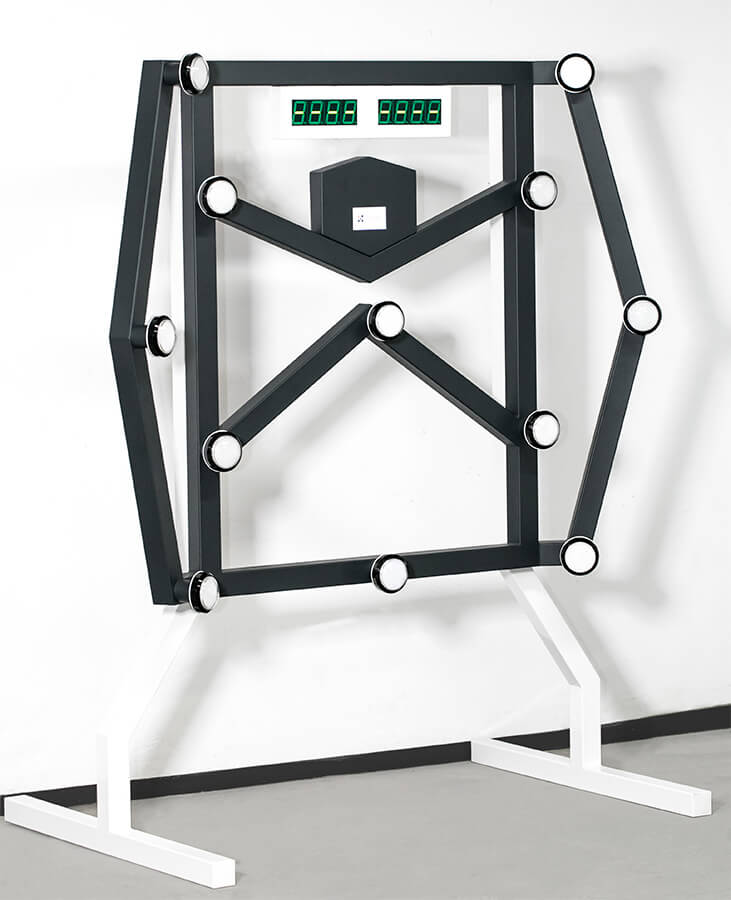
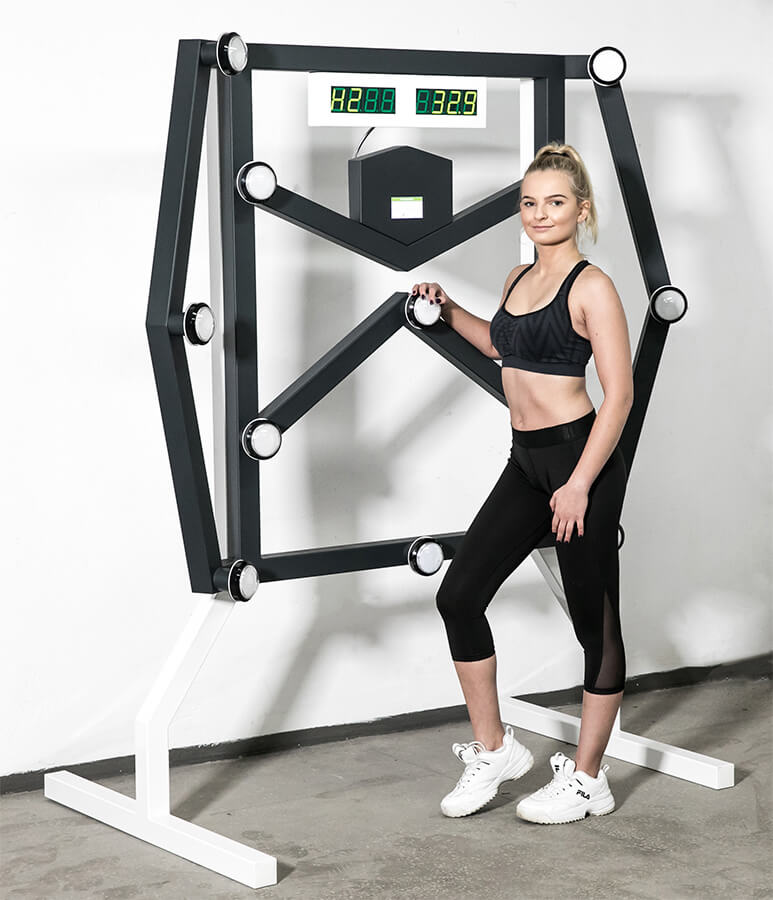
Recently, we had the chance to see @progress_cup (reaction trainer rental) put his skills to the test on the Tokyo Reaction Training Device. In Junior mode (6 active buttons), he managed to score an impressive 51 hits in 30 seconds! ⚡👏 It’s a fantastic result that shows how effective reflex and coordination training can be.

But the real challenge awaits in Senior mode (12 active buttons). At the FIWE Expo in 2021, a record of 45 hits in 30 seconds was set – a score that remains unbeaten to this day!

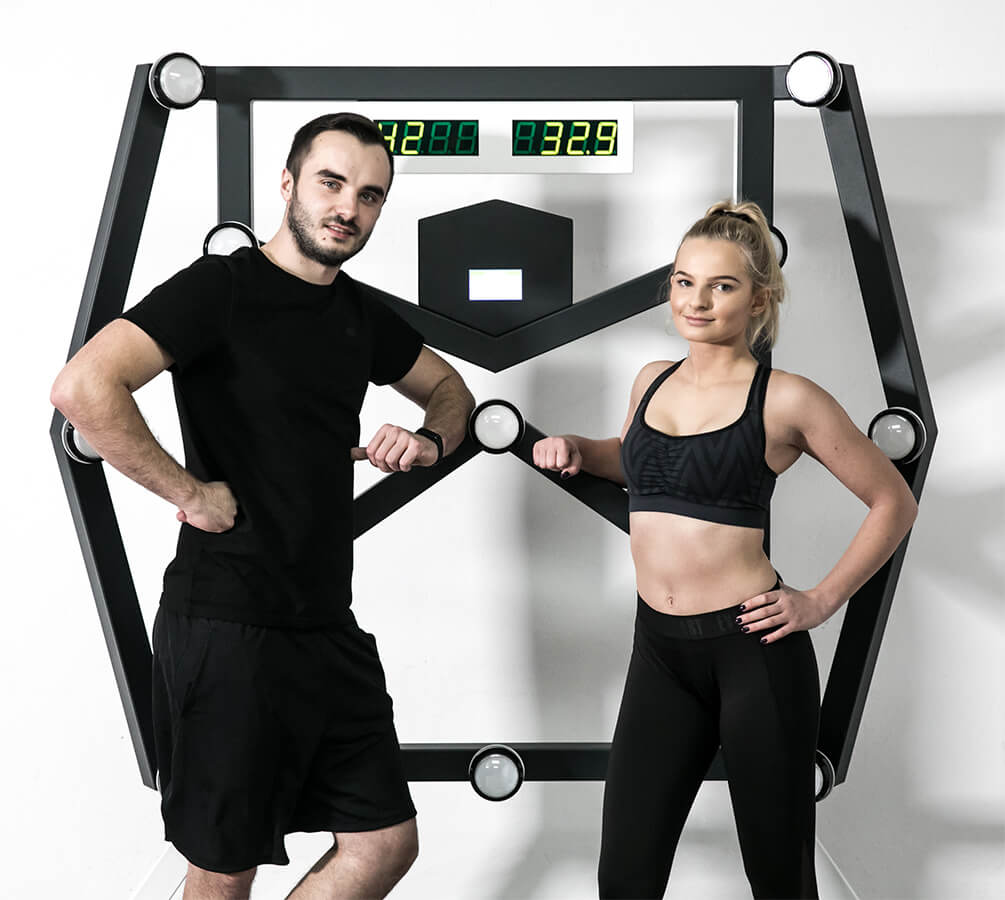
The Reaction Training Device Tokyo is not only a tool for testing reflexes, but also for training quick decision-making and lightning-fast reactions to visual stimuli. It’s perfect for both professional athlete training and casual competition.

💥 Ready to take on the challenge? See how many hits you can score in 30 seconds – don’t wait, test your reflexes today! 💪

📲 Follow us on Instagram and Facebook to see more sports challenges and high-score battles!

👉 FIWE 2021 Senior mode record: 45 hits in 30 seconds – still unbeaten!

Reaction Time Trainer for Schools – Modern Educational Equipment That Engages Students

school fitness equipment for classrooms
Reaction Time Trainer for Schools
Modern Educational Equipment

Interactive exercise equipment for kids

Schools around the world are increasingly investing in interactive exercise equipment for kids that supports both physical and cognitive development. One of the most innovative and engaging tools available today is the reaction time trainer for schools, also known as a reaction training device. This school fitness equipment for classrooms combines fun, movement, and learning – making it perfect for PE classes, active breaks, after-school programs, and sensory integration therapy. Check out our related article: Reaction time trainer device and 6 reflex exercises – full of practical examples and game ideas for schools and kids.

interactive exercise equipment for kids
school fitness equipment for classrooms

Interactive Exercise Equipment for Kids – Two Models for Different Age Groups

ASUZU offers two specialized models of its reaction time training devices, designed to meet the needs of different age and height groups:

  • The Tokyo model is a versatile solution for older children and students of varying height. Its ergonomically placed buttons and touch screen make it easy to switch between Junior and Senior training modes with just one tap. It’s ideal for user at any age.

  • The Junior model is optimized for younger children aged 4–10. It is also available in a raised version, allowing even taller students (up to and over 180 cm) to comfortably use it. This flexibility makes it perfect for inclusive classrooms or special education programs.

Over 70 Schools in Poland Use Our Reaction Time Trainers

As of June 2025, more than 70 primary schools across Europe are using ASUZU’s reaction time trainers – either the Tokyo or Junior model. These schools integrate the devices into a wide range of activities, including:

  • Physical education lessons

  • Homeroom and classroom breaks

  • After-school clubs

  • Sensory integration sessions

This modern educational tool is highly appreciated by teachers, school administrators, therapists, and parents alike for its ability to engage children and encourage physical activity in a fun and interactive way. ASUZU also offers a range of devices for different needs.
Read more about our Model X – a compact innovation in reflex training and rehabilitation.

Why Schools Should Use Reaction Time Training Devices

A reaction training device is much more than just a game – it supports real skill development. Regular training sessions help improve:

  • Reflexes

  • Focus and attention span

  • Hand-eye coordination

  • Manual dexterity

Students compete, beat personal records, and stay physically active – all in a safe and motivating environment. For schools seeking modern educational solutions, this is an investment in student well-being, concentration, and long-term cognitive and motor development.